
The Pulse of
Persian Gulf 5G.
Navigating Qatar's high-density spectrum requires more than a coverage map. It demands an understanding of how architectural glass, desert heat, and urban geometry intersect with the next generation of mobile connectivity.
Independent Research
Beyond the Bar: Understanding True Throughput.
In the high-rises of West Bay, your phone might display a "5G" icon, yet data movement feels sluggish. This is the Signal Paradox. Most users in Qatar are navigating Non-Standalone (NSA) architectures, where the 5G signal piggybacks on 4G LTE infrastructure. While the potential for millisecond latency exists, the reality is often throttled by network congestion during peak evening hours when streaming demand peaks in the Pearl.
Our field guide moves beyond the theoretical maximums. We analyze the interference caused by LEED-certified double-glazed glass common in Lusail’s newer towers—material designed for thermal efficiency that unintentionally acts as a Faraday cage for sensitive 5G frequencies.
The Coverage Chronology
A technical evolution of Qatar's digital landscape
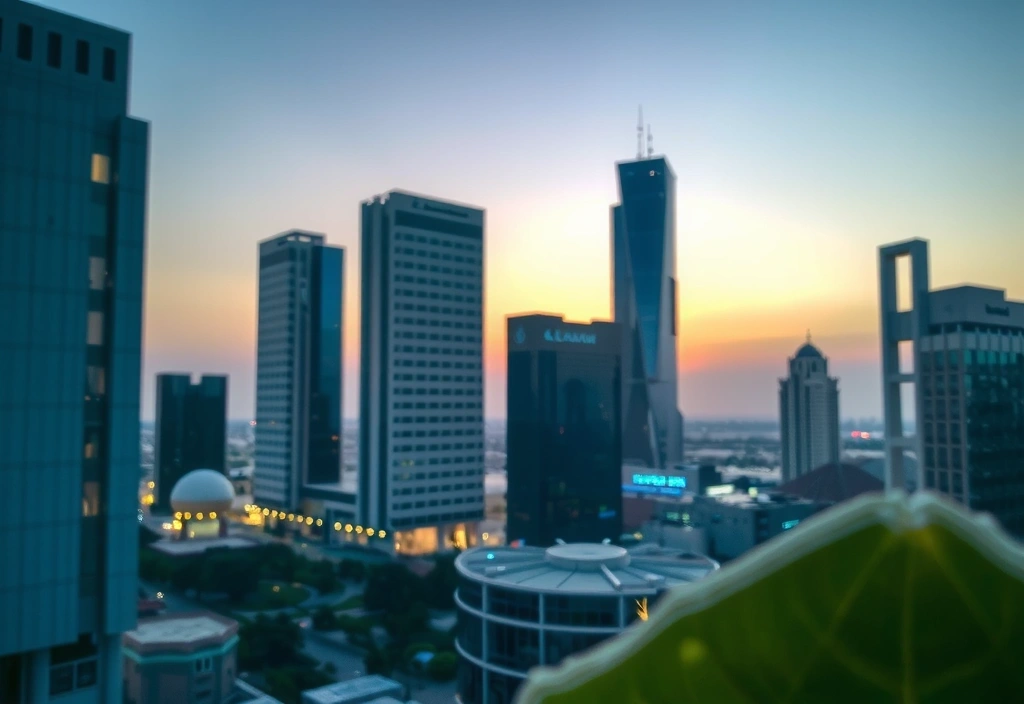
Doha & West Bay Density
Early rollout focused on Qatar's economic engine. Initial tests yielded 1Gbps+ speeds in open outdoor environments like Corniche, though indoor penetration remained the primary constraint due to concrete density.
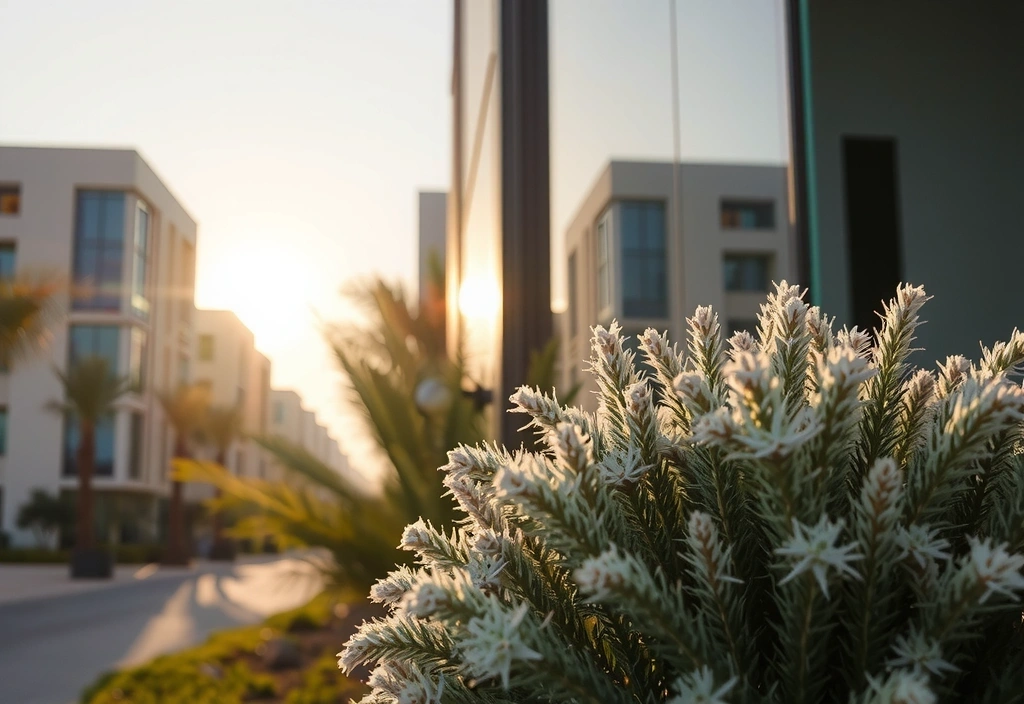
The Pearl & Lusail Integration
A secondary surge brought Gigabit speeds to residential towers. Key focus: Network Slicing to maintain gaming performance while families stream 4K content simultaneously.
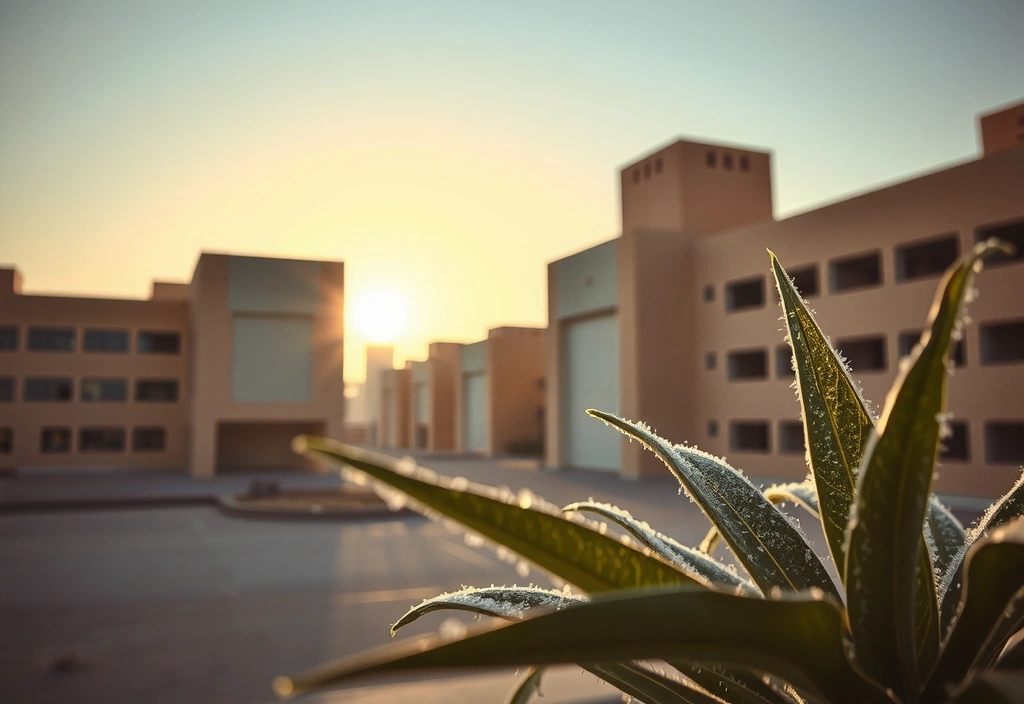
Al Khor & Industrial Reach
Transitioning connectivity toward industrial hubs. While 'Urban Density' yields speed, 'Rural Reach' focuses on reliable 500Mbps consistency for tele-operations and transit monitoring along Al Shamal Road.
The Connectivity Compass
Critical neighborhood trade-offs based on real-world infrastructure benchmarks.
West Bay High-Rise
Exceptional outdoor signal; indoor throughput varies significantly by floor due to RF-reflective glass. Higher floors (>40) often see cell-tower "overshoot".
- Indoor Loss: Medium-High
- Peak Speeds: 1.2Gbps+
Pearl-Qatar Marina
Water reflection causes multi-path interference. While raw bandwidth is high, jitter can spike during sunset hours when network handovers increase.
- Jitter Risk: Periodic
- Reliability: Very High
Al Wakrah Industrial
Excellent mid-band coverage with high stability. Ideal for IoT and fixed-wireless replacements in older districts where fiber rollout is pending.
- Fiber Backup: Optional
- Static Latency: Stable
Method Note: Evaluating Robustness
01. Device Context
We do not use idealized testing rigs. Our benchmarks are performed on consumer hardware—iPhones and Samsung S-series flagships—to reflect the battery-versus-performance trade-offs local expats face.
02. Environmental Stress
Testing is weighted for humidity extremes and high-occupancy events. A speed test at 3 AM is irrelevant compared to performance during a Thursday evening brunch peak in Lusail Marina.
03. Throughput vs. Signal
A -80dBm signal strength does not guarantee 1Gbps. We measure actual data packet delivery through encrypted tunnels to simulate realistic VPN-heavy professional workflows.
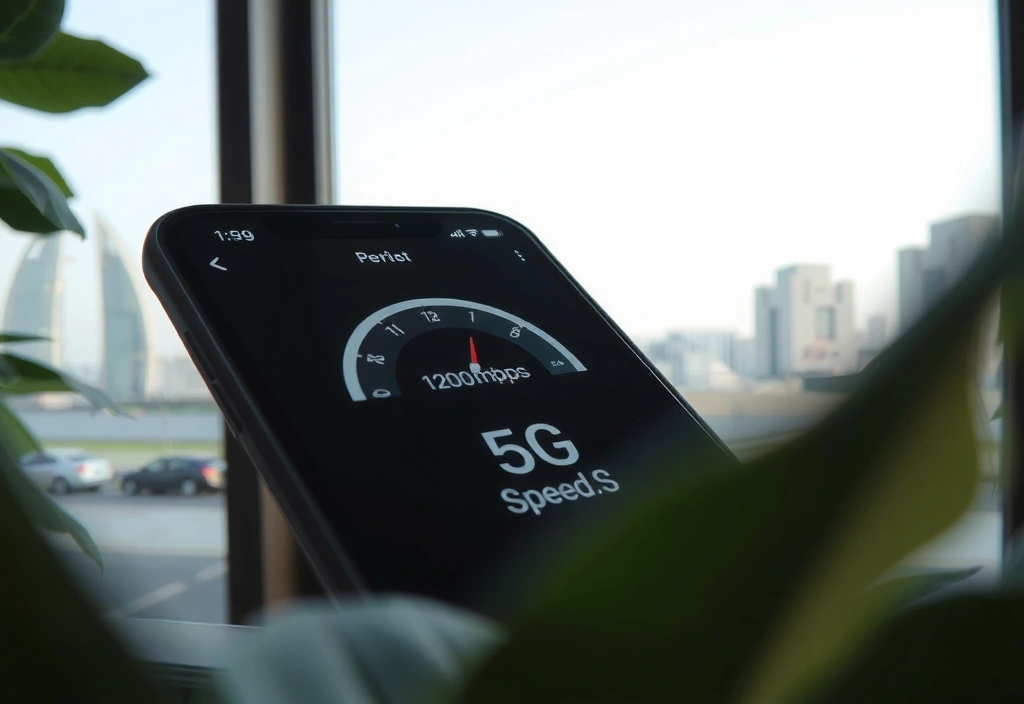
SCENARIO VIGNETTE #12
"A cloud architect working from a 32nd-floor balcony in Porto Arabia during a morning sandstorm; data session remained stable at 450Mbps despite high atmospheric interference."
Investor and Consumer Intel
Questions You Shoul Ask

The Botanical Glossary
Settle Your Pulse. Connect with Clarity.
Whether relocating to Al Wakrah or optimizing a West Bay office, stop guessing. View our localized deep-dives and find where the signal meets your standards.