
Al Wakrah
Signal Genesis.
Al Wakrah’s 5G network is engineered to cover the high-density zones along the Corniche and the new waterfront developments, delivering consistent speeds where residents and visitors congregate. Unlike the vertical density of West Bay, the southern suburbs demand a horizontal resilience—bridging the gap between historic coastal charms and the industrial momentum of Mesaieed.
Quick Verdict
- Best for: Waterfront & Metro corridors
- Challenge: Deep interior villa basements
- Status: 92% Residential coverage
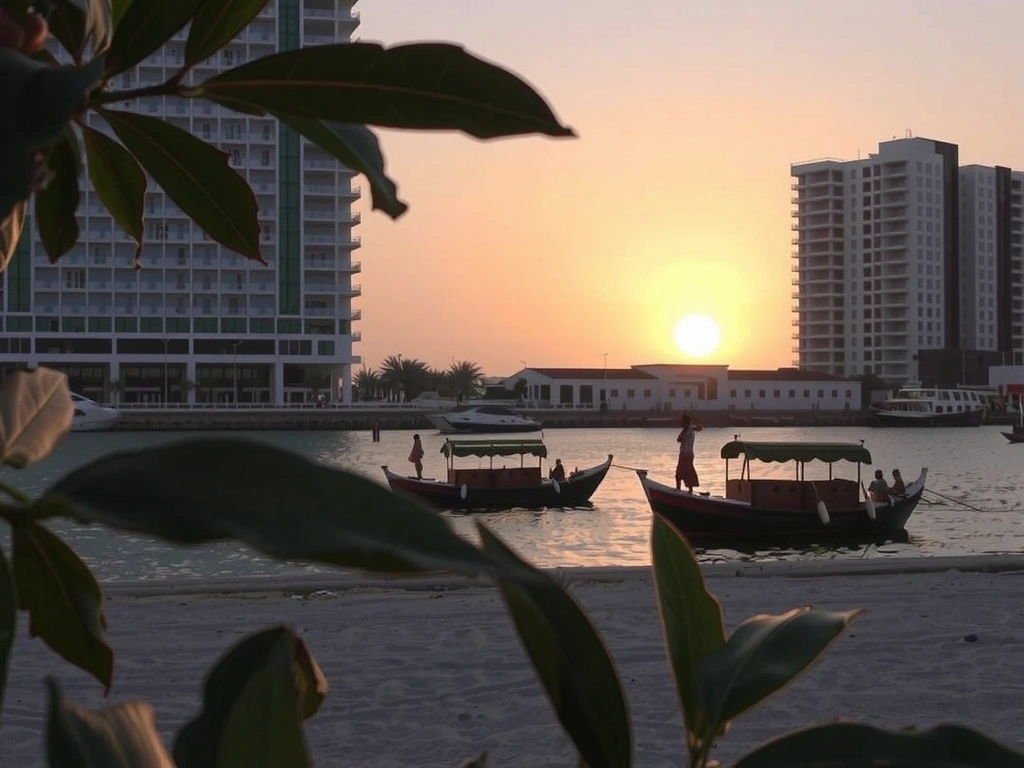
Field Observation: Coastal humidity can slightly attenuate high-frequency signals, a factor accounted for in the local RF planning models.
The Coastal Pulse &
Commuter Continuity
The southern expansion of the Doha Metro line creates a specific demand for robust 5G handoff coverage between stations and adjacent commercial corridors. As users transition from the Red Line into the heart of Al Wakrah, the network relies on a mix of macro cells on municipal light poles and small cells attached to commercial facades to maintain sub-10ms latency.
Family beaches and public parks in Al Wakrah require network capacity that can handle peak weekend traffic. Our analysis shows that while outdoor signal strength remains elite, the transition to indoor environments in older building cores still faces the "Doha Signal Snag"—where traditional thick-stone masonry limits 3.5GHz penetration.
Method Note
Robustness is evaluated via street-level drive tests and static indoor benchmarking. Limits are defined by structural interference (LEED glass/concrete density) rather than tower proximity.
The Decision Lens
How to choose your southern Qatar connectivity strategy based on specific needs.
-
Optimizes for: Peak Latency
Essential for Metro commuters and remote tech professionals in Al Wakrah.
-
Sacrifices: Indoor Deep-Core Stability
Traditional villas may require Wi-Fi calling offload due to concrete density.
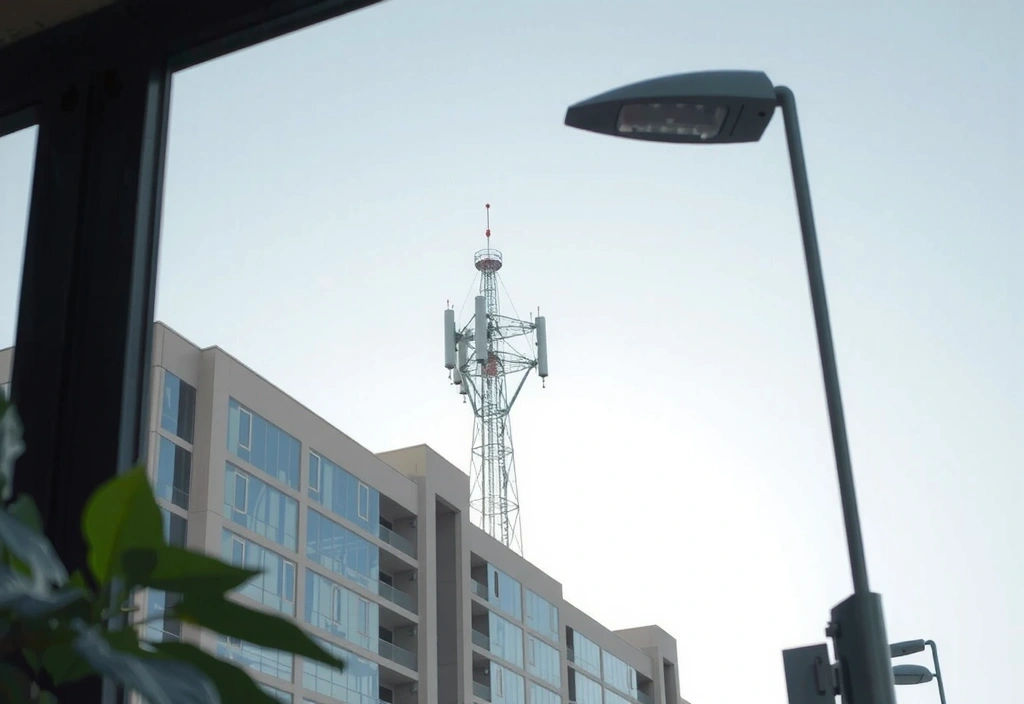
Local 5G infrastructure relies on a mix of macro cells on municipal poles.
The Southern Trade-off Frame
Coastal Proximity vs. Signal Attenuation
Waterfront living offers clear line-of-sight to towers but higher salt-air humidity affects high-band mmWave longevity. Use mid-band for consistency.
Metro Access vs. Network Handoff
The seamless switch from station Wi-Fi to 5G NR is prioritized, but speeds may dip slightly during peak transit hours (7 AM / 4 PM).
Hospitality vs. Private Privacy
Public zones like Souq Al Wakrah have multi-carrier dominance. Private villas benefit from better stability by utilizing 5G-enabled Home Broadband routers.
Future Rollout vs. Legacy Hardware
The 'Growth Rings' map suggests new capacity in Ezdan Oasis by late 2026. Investing in a future-ready device today ensures immediate ROI.
Neighborhood
Signal Audit
Al Wakrah Corniche
Optimized for outdoor public gatherings and waterfront dining. Excellent Ultra Wideband (UWB) presence.
Al Janabiya Area
Consistent mid-band coverage. High reliability for dynamic street navigation near roundabouts.
Mesaieed Logistics
Focused on upload stability for industrial operations. Lower latency thresholds for remote monitoring.
Al Wukair Central
Residential density causes cell breathing effects at night. Still far outpaces local fiber in many older blocks.


The Connectivity Vocabulary
Root Strength
The foundational latency (ping) measured from the core network to a device. In Al Wakrah, root strength is bolstered by the proximity to southern data peering points.
Cell Breathing
A dynamic adjustment where a tower's coverage area shrinks as more users connect. Common in Al Wukair during evening streaming hours.
Spectral Attenuation
The loss of signal intensity as it passes through objects. In Qatar, this refers specifically to the impact of sandstorm particulate and humidity.
mmWave (Millimeter Wave)
High-frequency spectrum that provides ultra-fast speeds but has poor range. Used almost exclusively in Al Wakrah's outdoor stadium and souq areas.
Will it work for you?
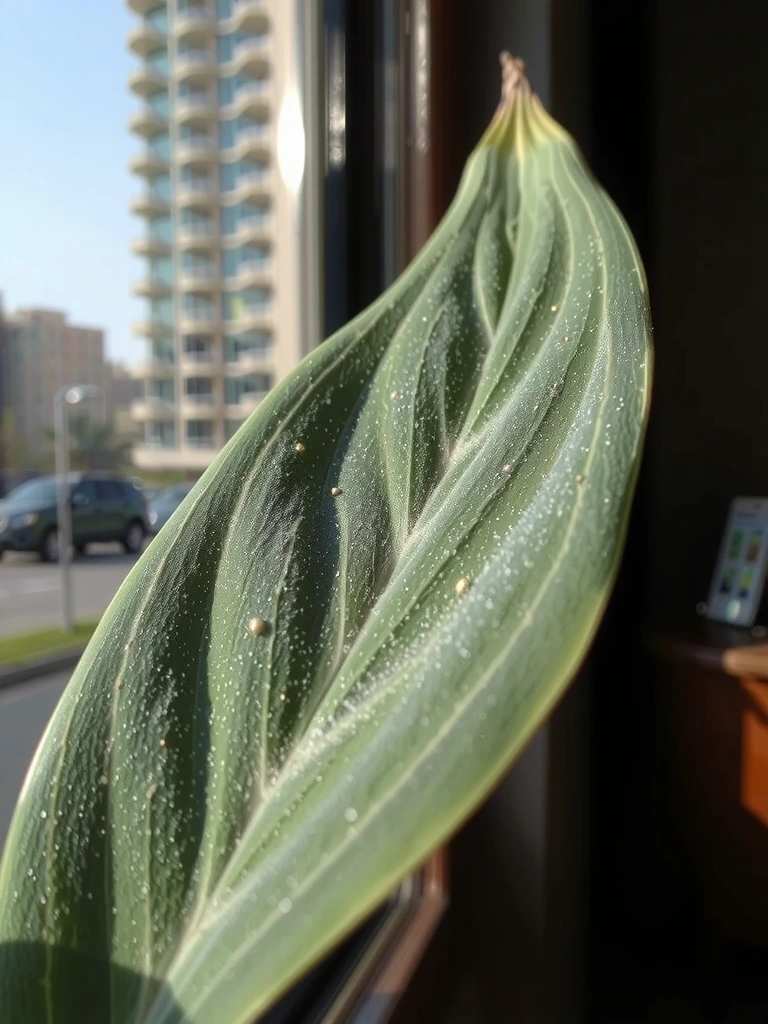
“Setting up a home office in an Al Wukair villa was a challenge until we shifted the 5G gateway to the second floor, south-facing window. We went from a stuttering signal to a crisp 600 Mbps constant. In the south, placement is everything.”